Le nozze di Figaro
opera
Details of The Marriage of Figaro Costume Design Project
I. Core Positioning of the Project
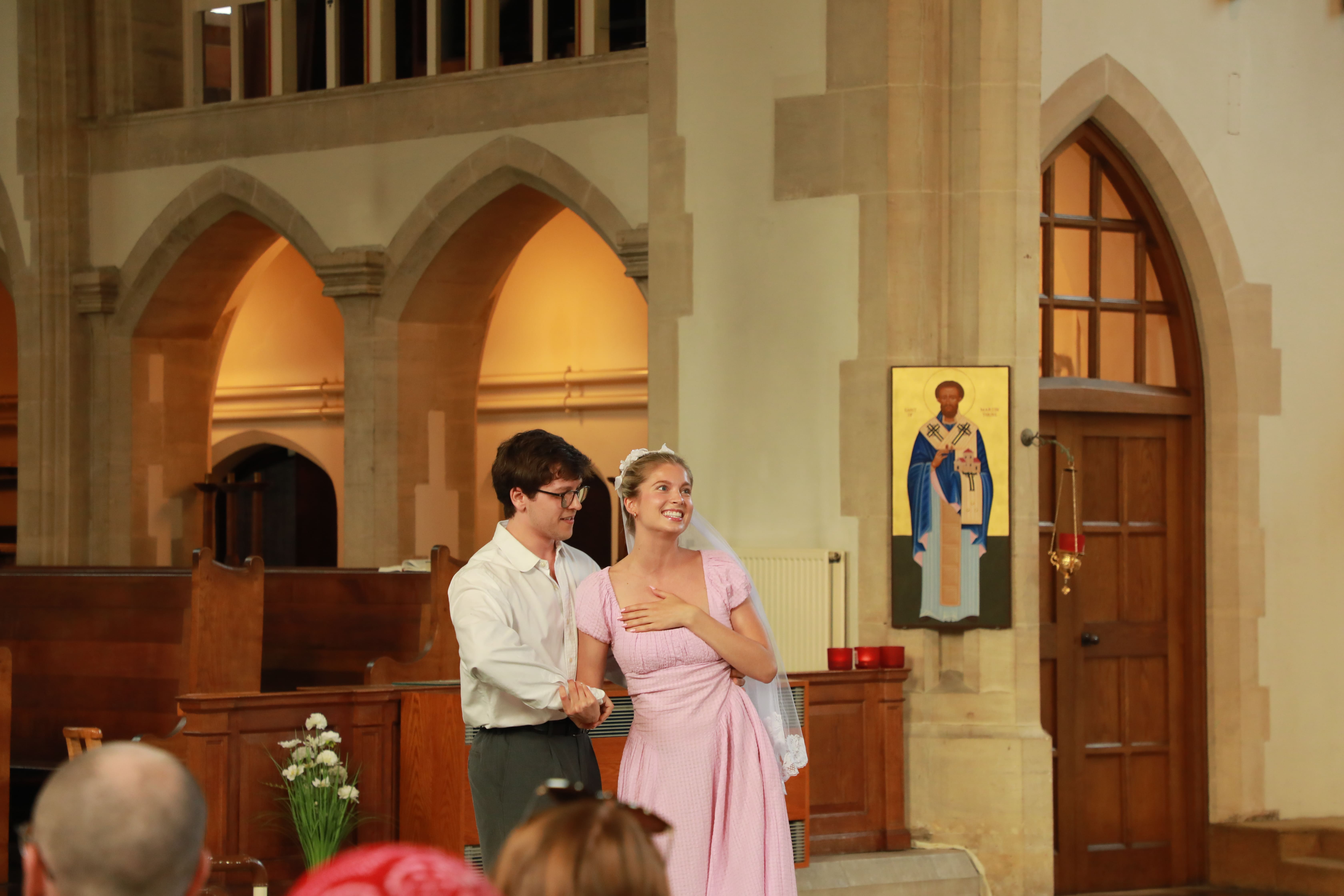
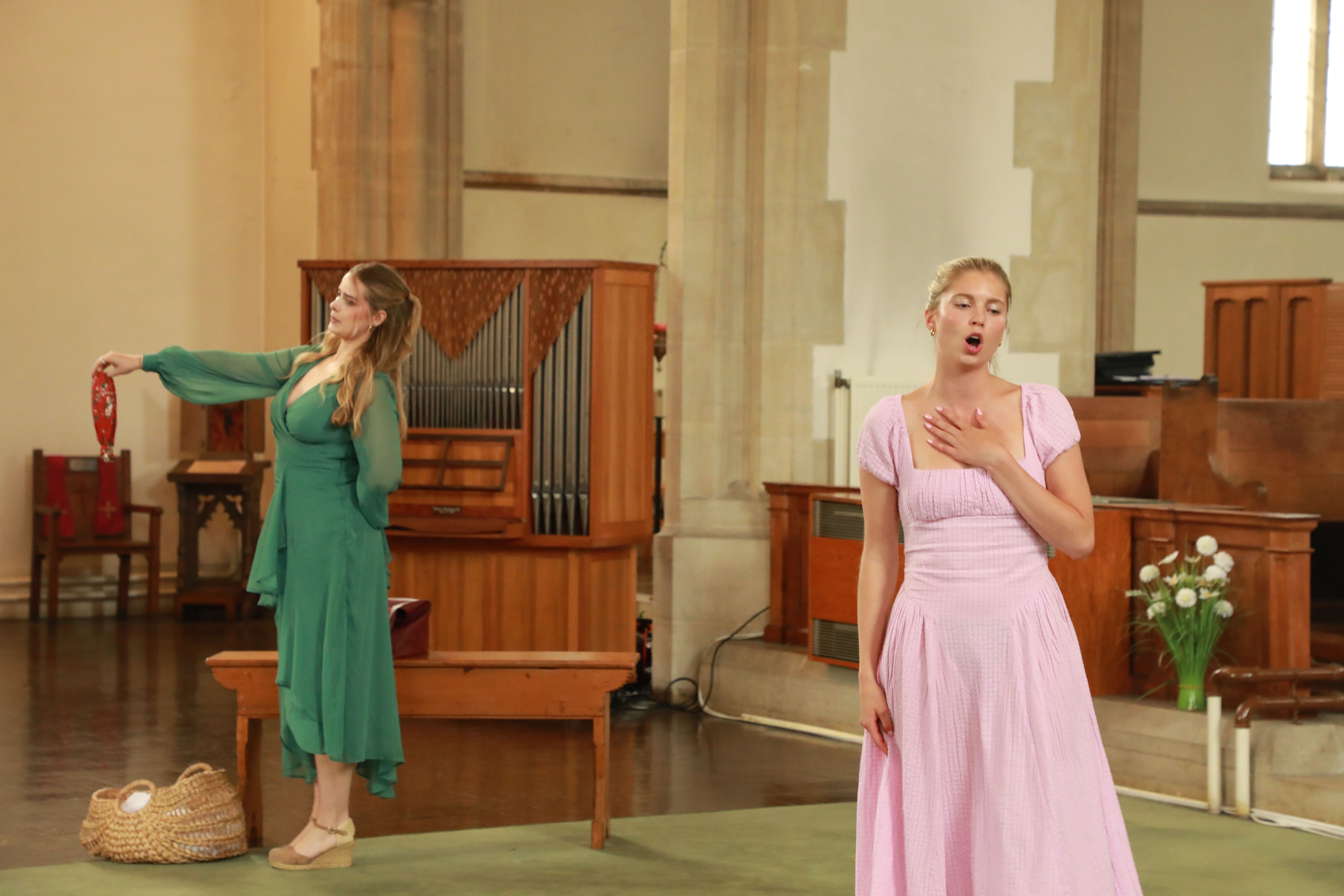
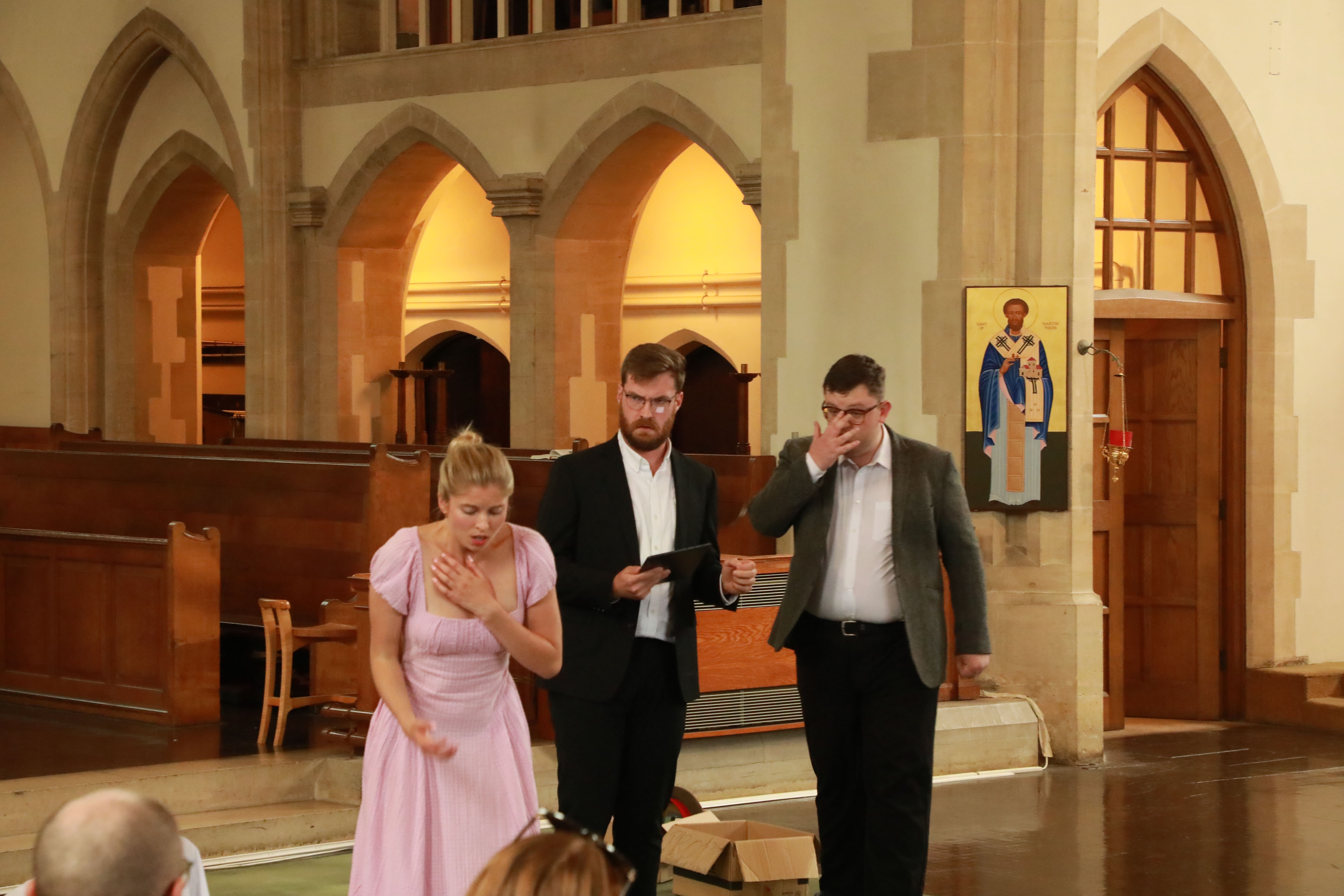
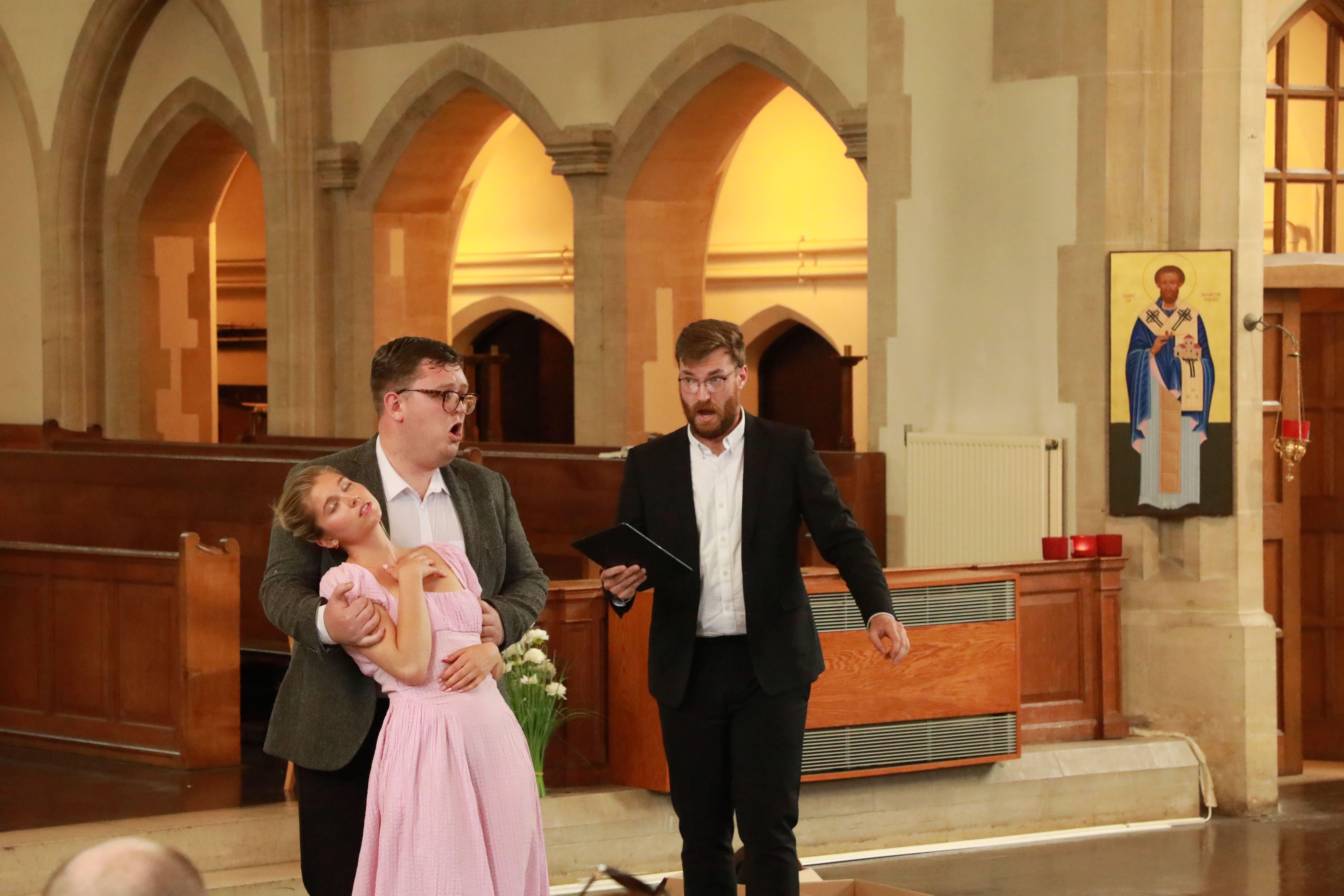
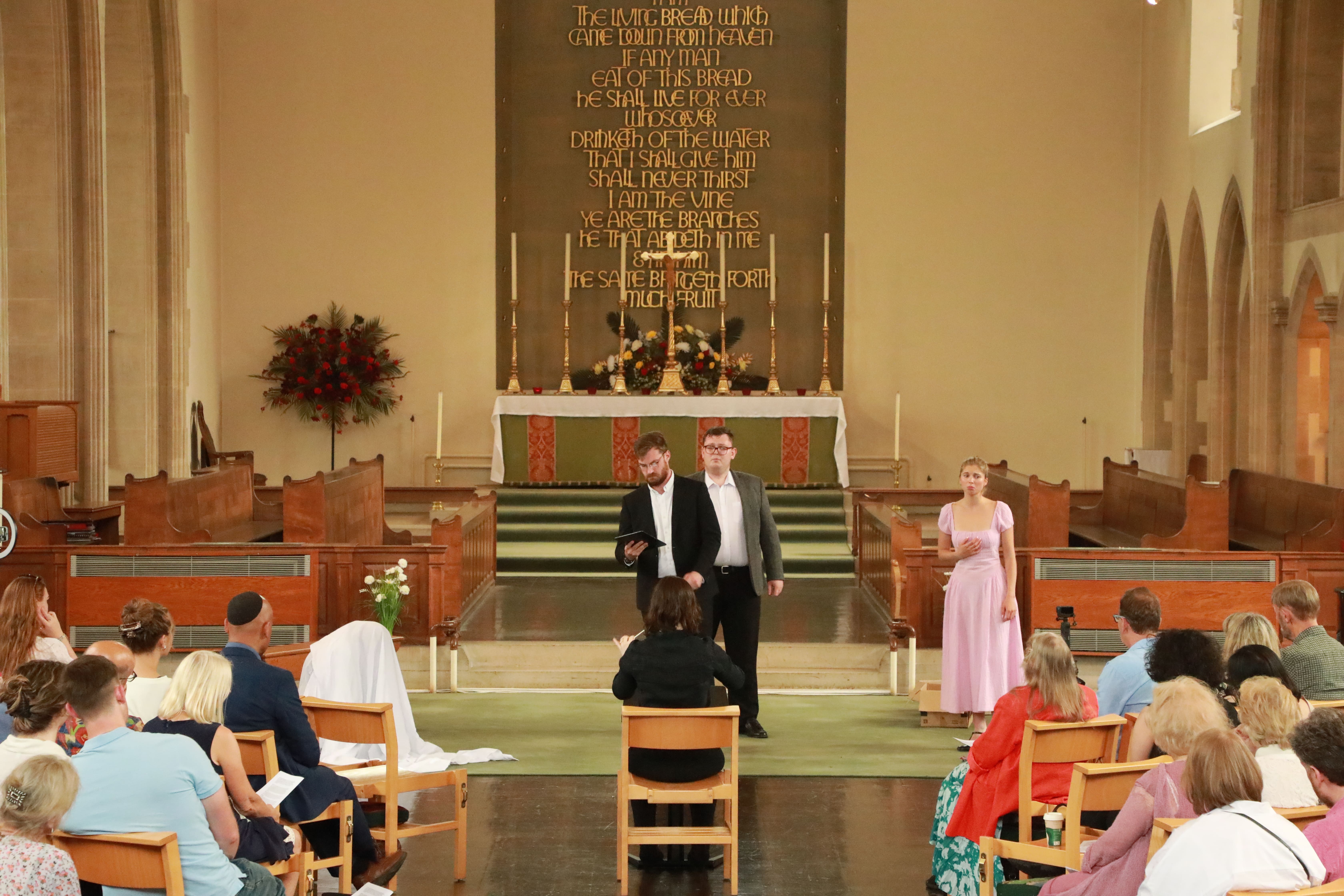
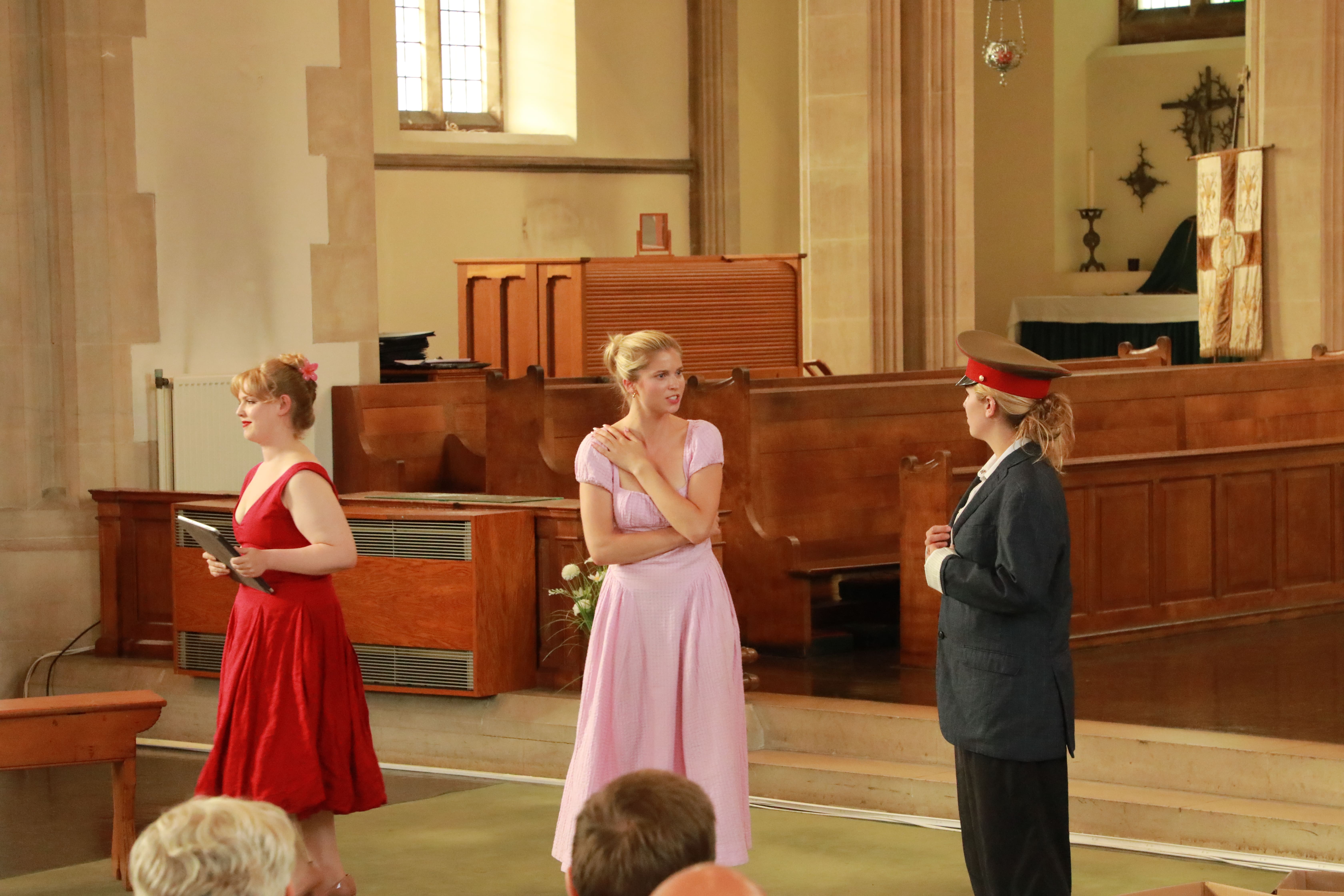
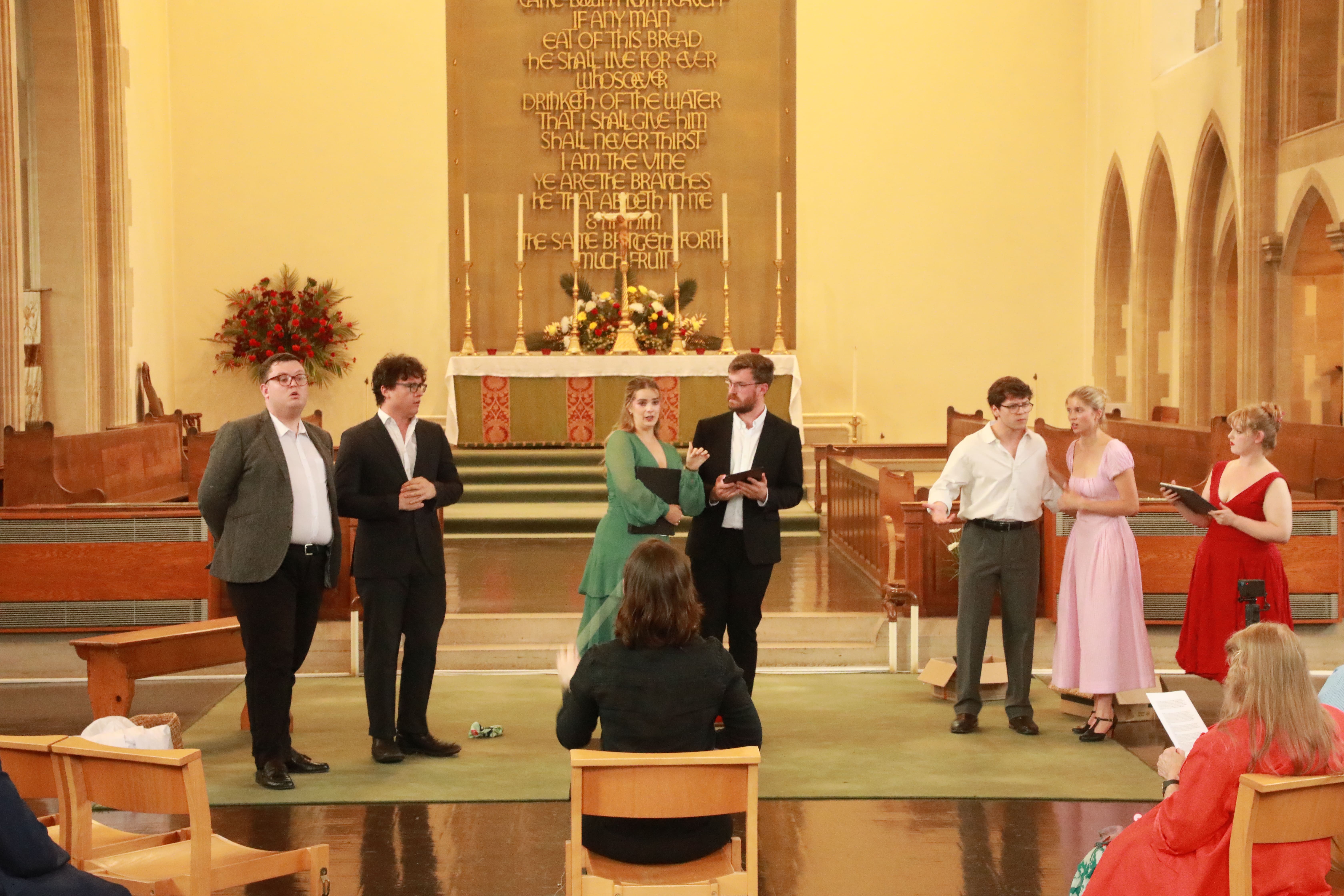
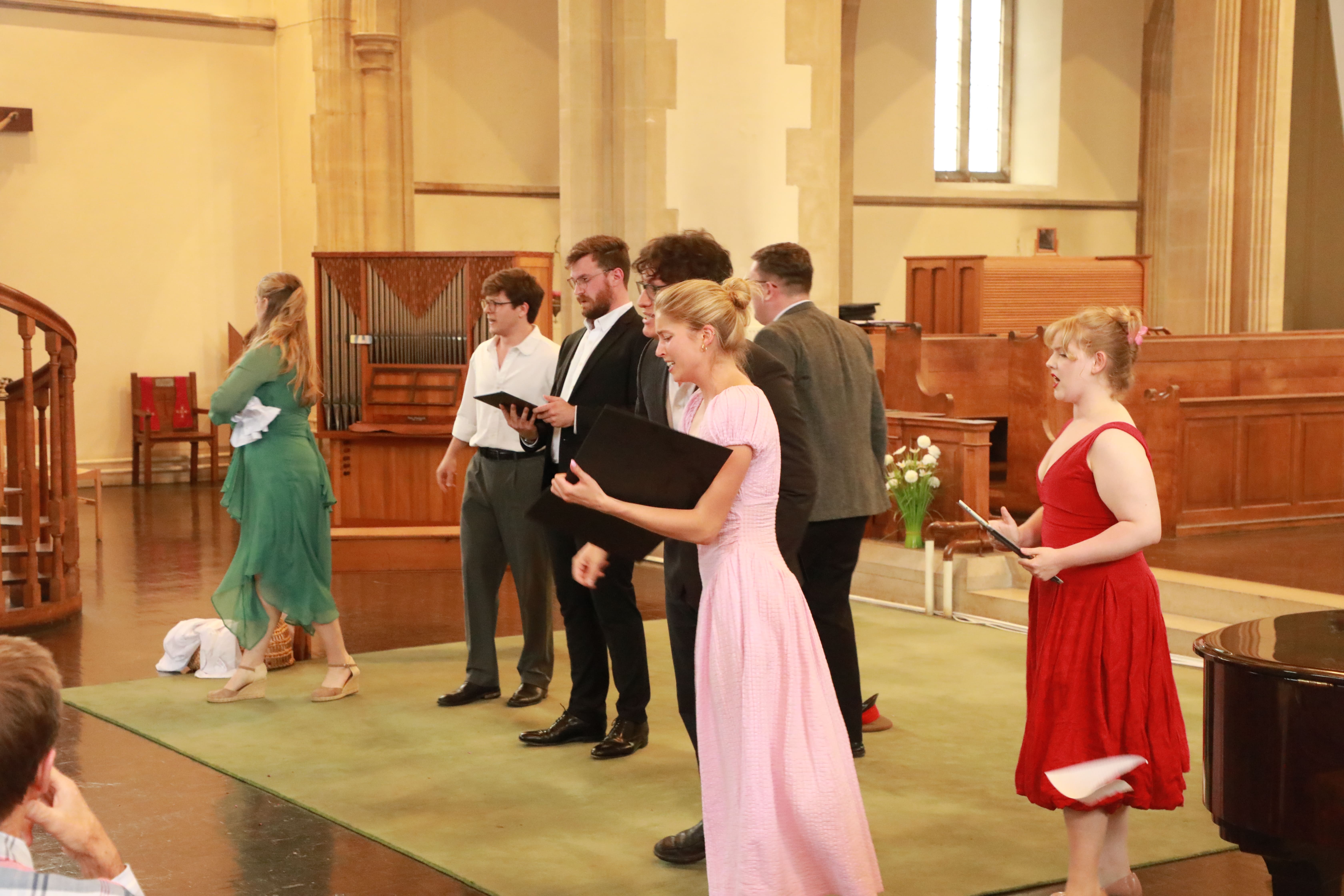
This project focuses on the costume design for the opera "Le nozze di Figaro" (The Marriage of Figaro). Its core goal is to integrate modern design language on the basis of respecting the original plot connotation and character settings, creating a costume system that is suitable for church performance venues, meets budget control requirements, and can clearly convey the characters' identities. The design always adheres to the three core principles of "modern expression, adaptation to light color tones, and simple symbolic representation of identity", achieving a balance between artistic effect and practical conditions.
II. Core Concepts of Costume Design
(I) Integration of Modern Design Language
Break away from the complete reproduction of classical styles in traditional opera costumes and introduce modern tailoring logic and version design. Optimize the comfort and activity adaptability of the costumes according to the personality traits and behavioral scenarios of different characters. For example, simplify the complex layered structure of traditional noble costumes and adopt a more ergonomic slim fit or loose silhouette, which not only retains the clothing tone of the character's social class but also conforms to the aesthetic preferences of contemporary audiences. At the same time, integrate modern design elements in detail processing, such as simple line segmentation, neat hem treatment, modular accessory combinations, etc., to avoid excessive decoration and convey the character's temperament through concise and powerful design.
(II) Adaptation to Light Color Tones in Church Settings
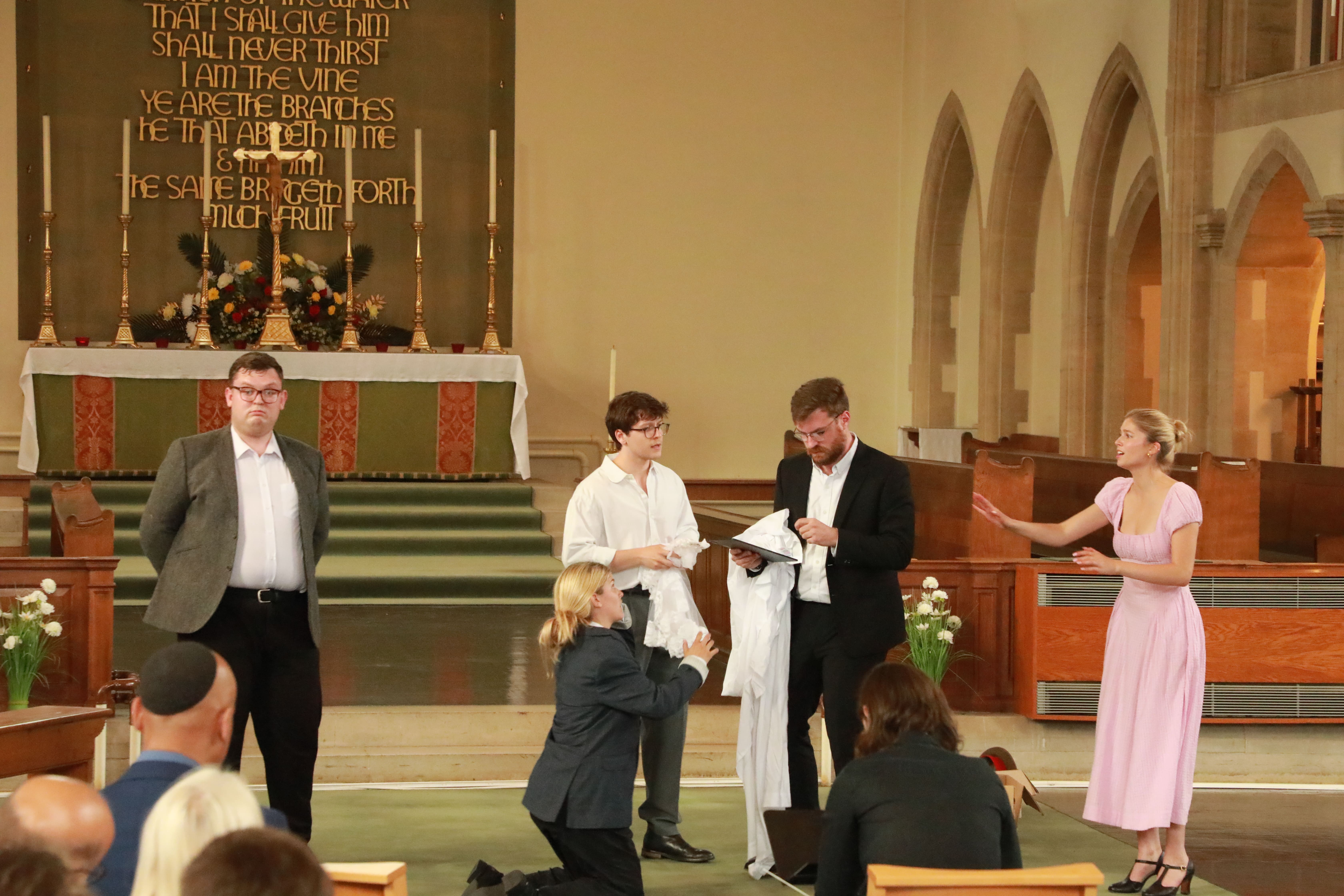
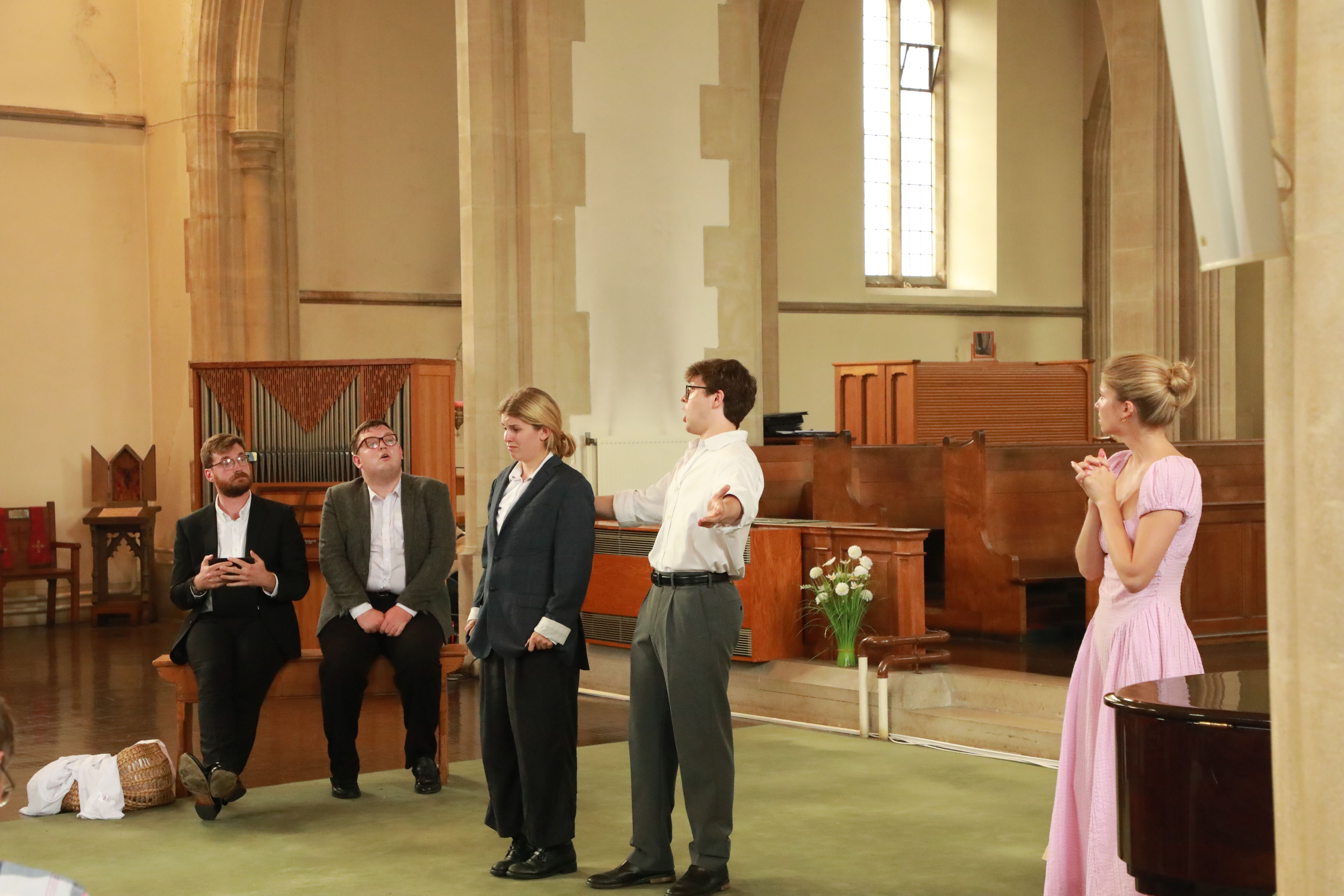
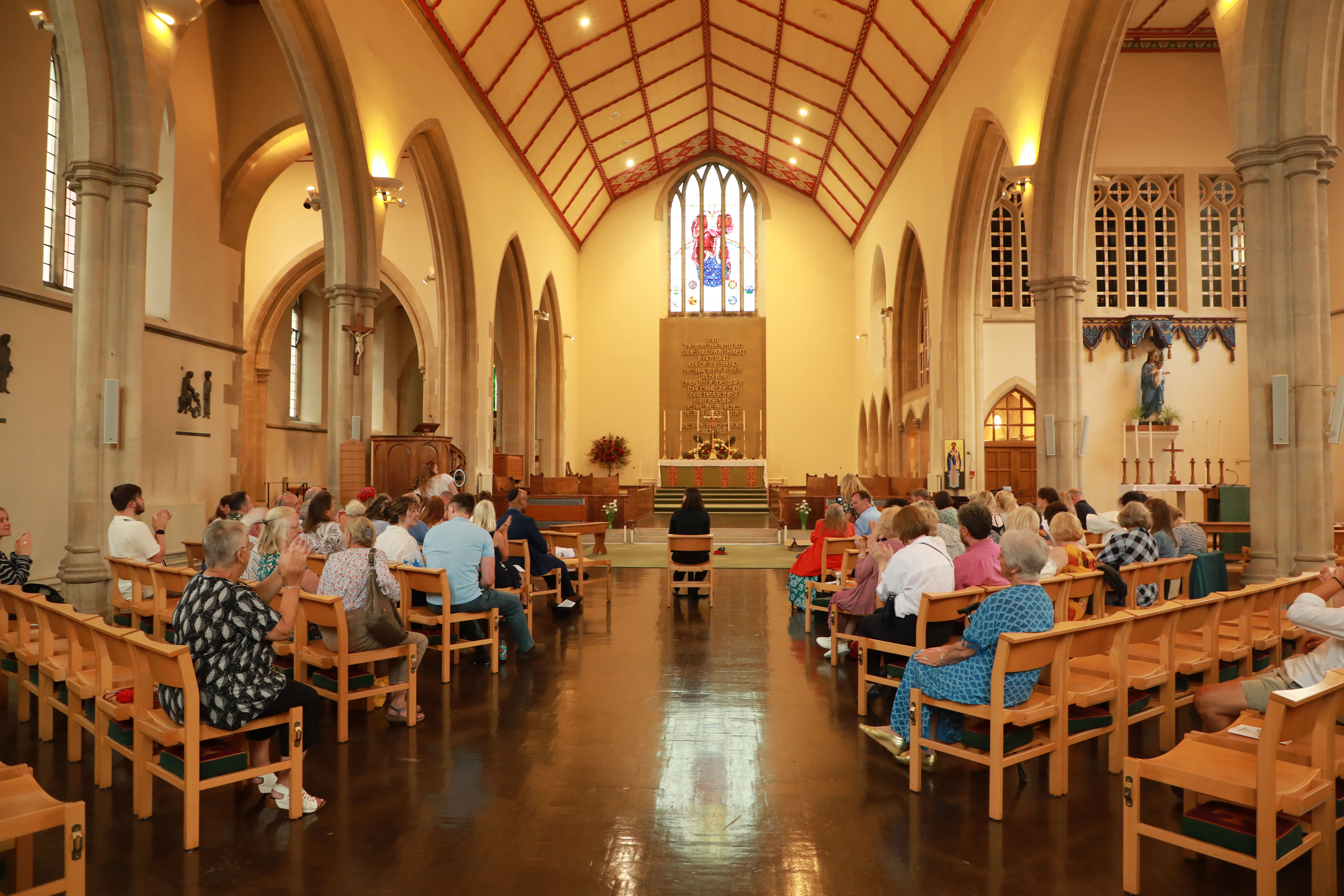
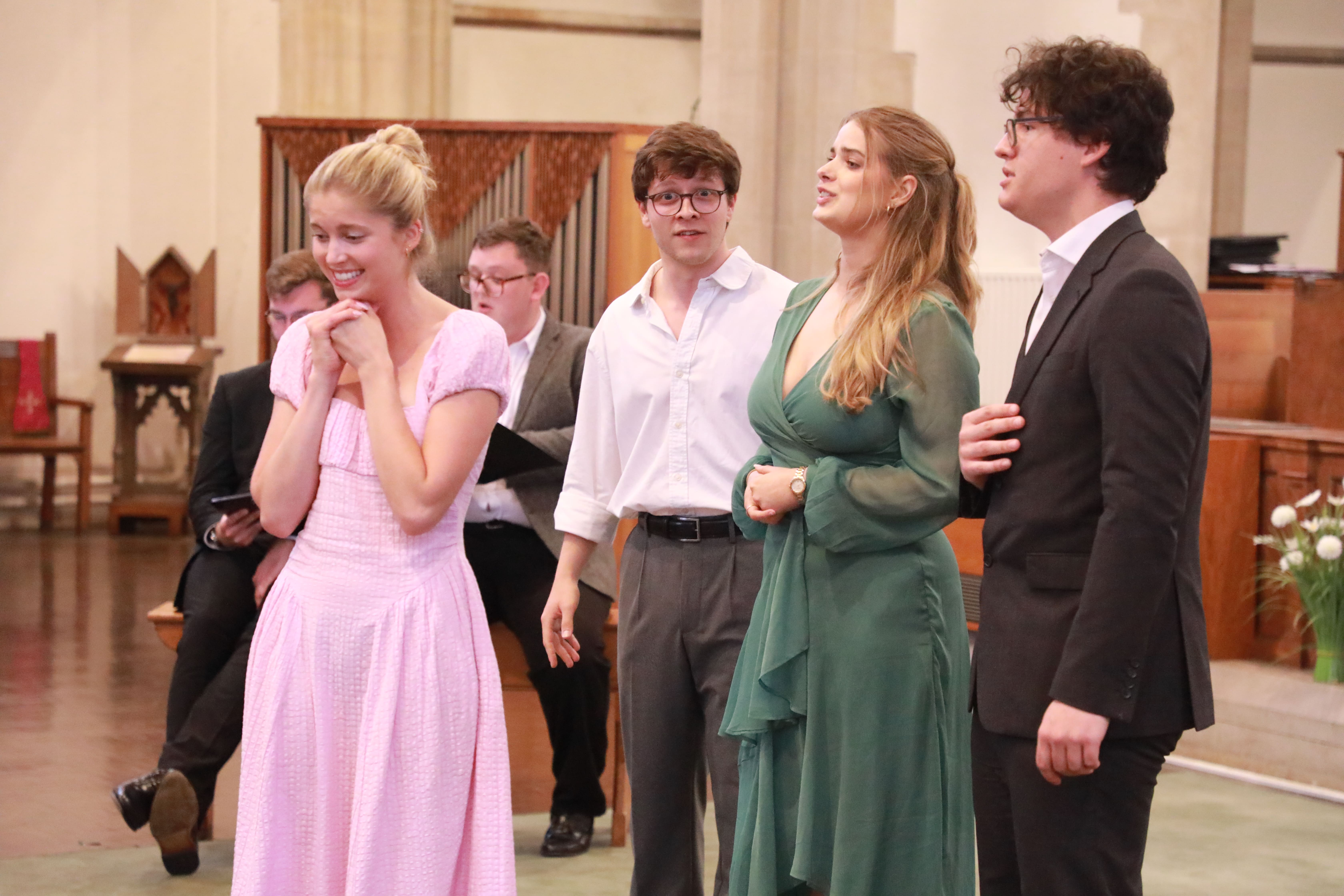
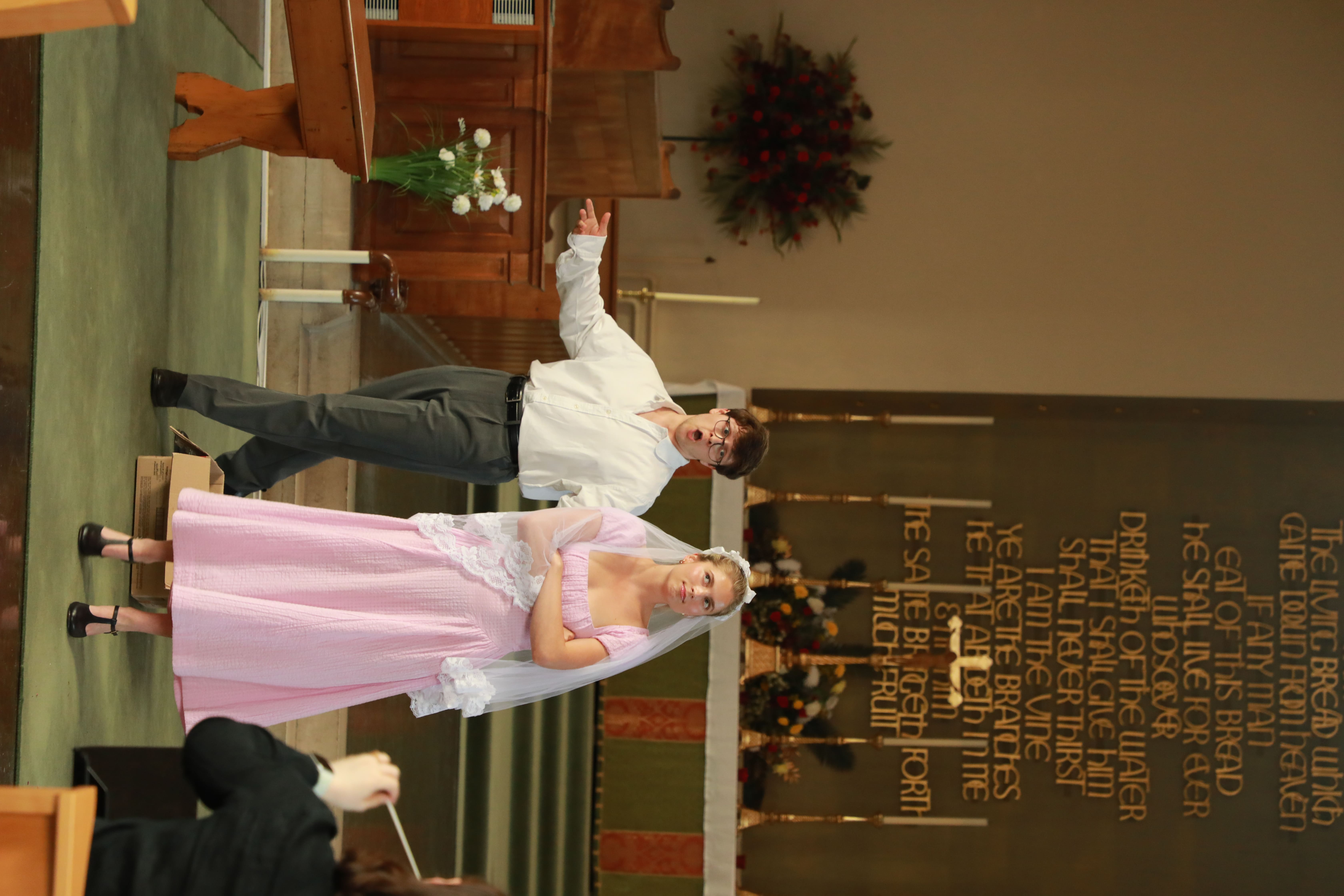
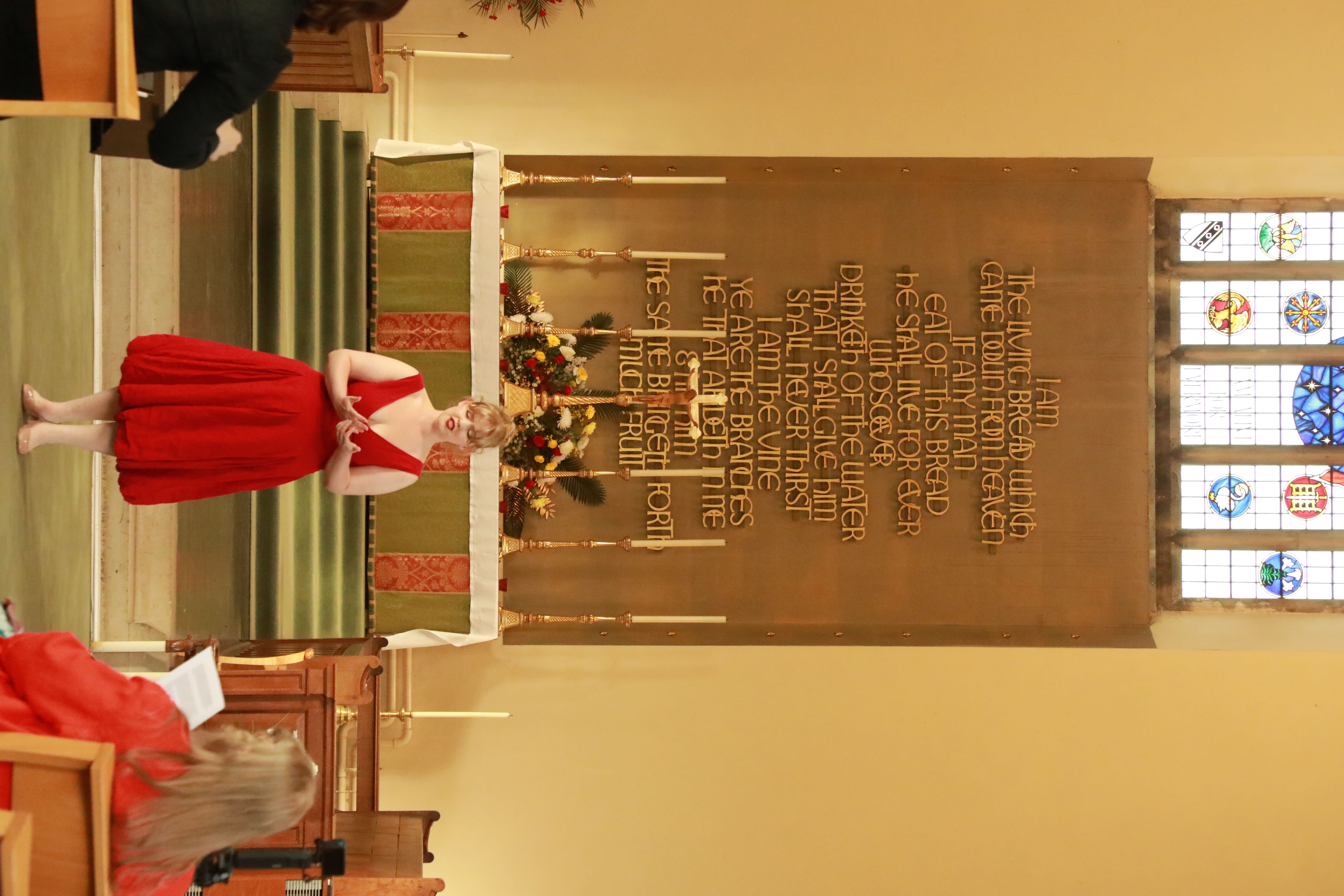
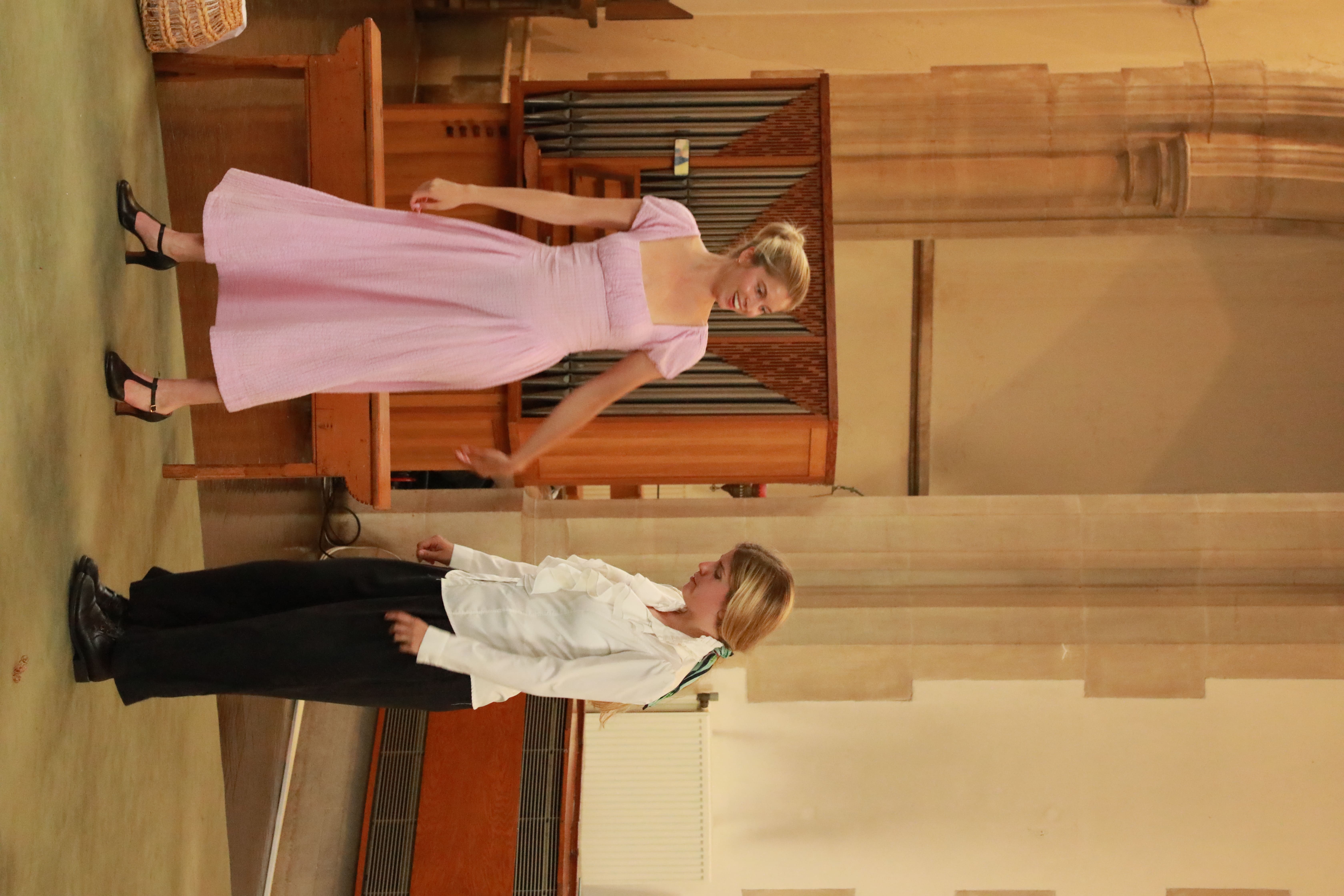
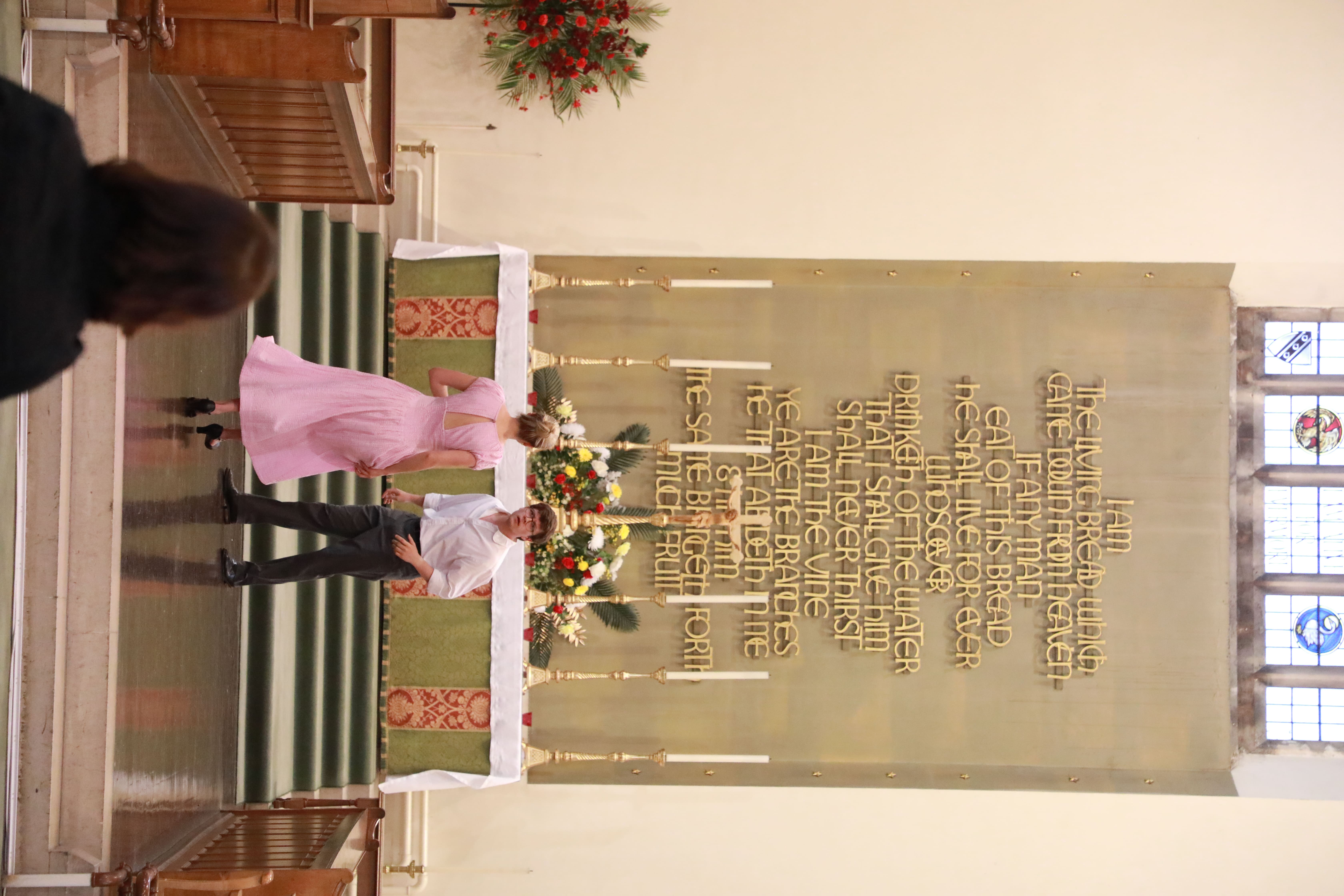
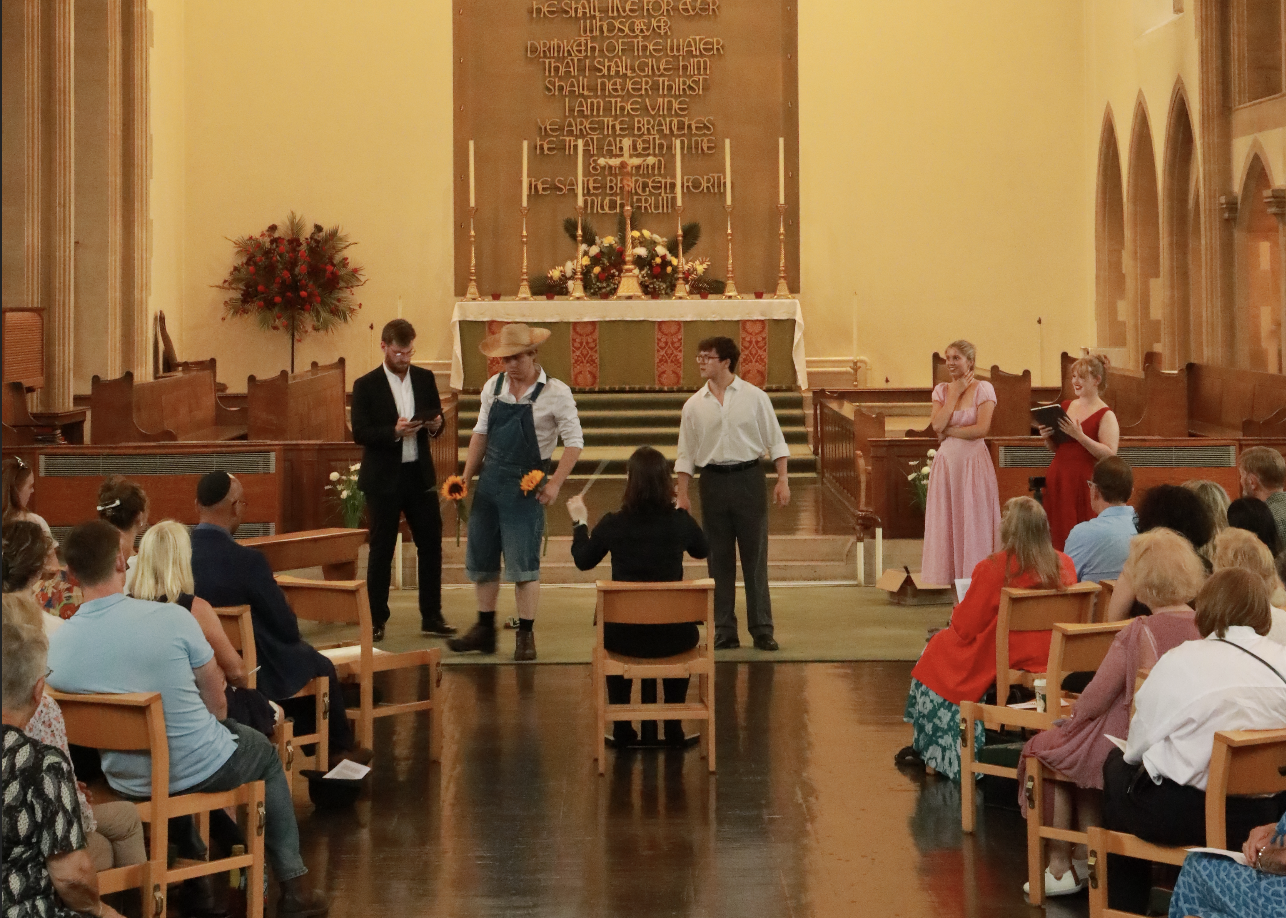
Considering that the performance venue is a church, which has a inherent holy and solemn atmosphere, all costumes adopt light color tones as the main colors to avoid bright and intense colors. The core colors include off-white, light gray, light blue, lotus pink, light khaki, moon white, etc., distinguishing the characters' identities and personalities through subtle differences in colors. For example, the protagonist Susanna's costume is made of soft off-white with light lotus pink detail embellishments to highlight her pure and kind nature; the Countess's costume is mainly light blue with silver-gray dark patterns to convey her noble and elegant temperament with a touch of melancholy; Figaro's costume is light khaki with slightly darker gray accessories to reflect his capable and down-to-earth identity as a servant. The light color tones not only form a harmonious echo with the church's white walls, wooden structures, and stained glass windows but also allow the audience to focus on the characters' performances and the progression of the plot.
(III) Simple Symbolic Representation of Identity Under Budget Constraints
Constrained by limited budget, cost-effective basic fabrics such as pure cotton, linen, ordinary satin, and thin woolen cloth are used for costume production, avoiding the use of expensive fabrics. The core of the design is to accurately convey the characters' identities through "simple details", not relying on complex decorations but focusing on the style of the costumes, the texture of the fabrics, and the matching of key accessories. The specific strategies are as follows:
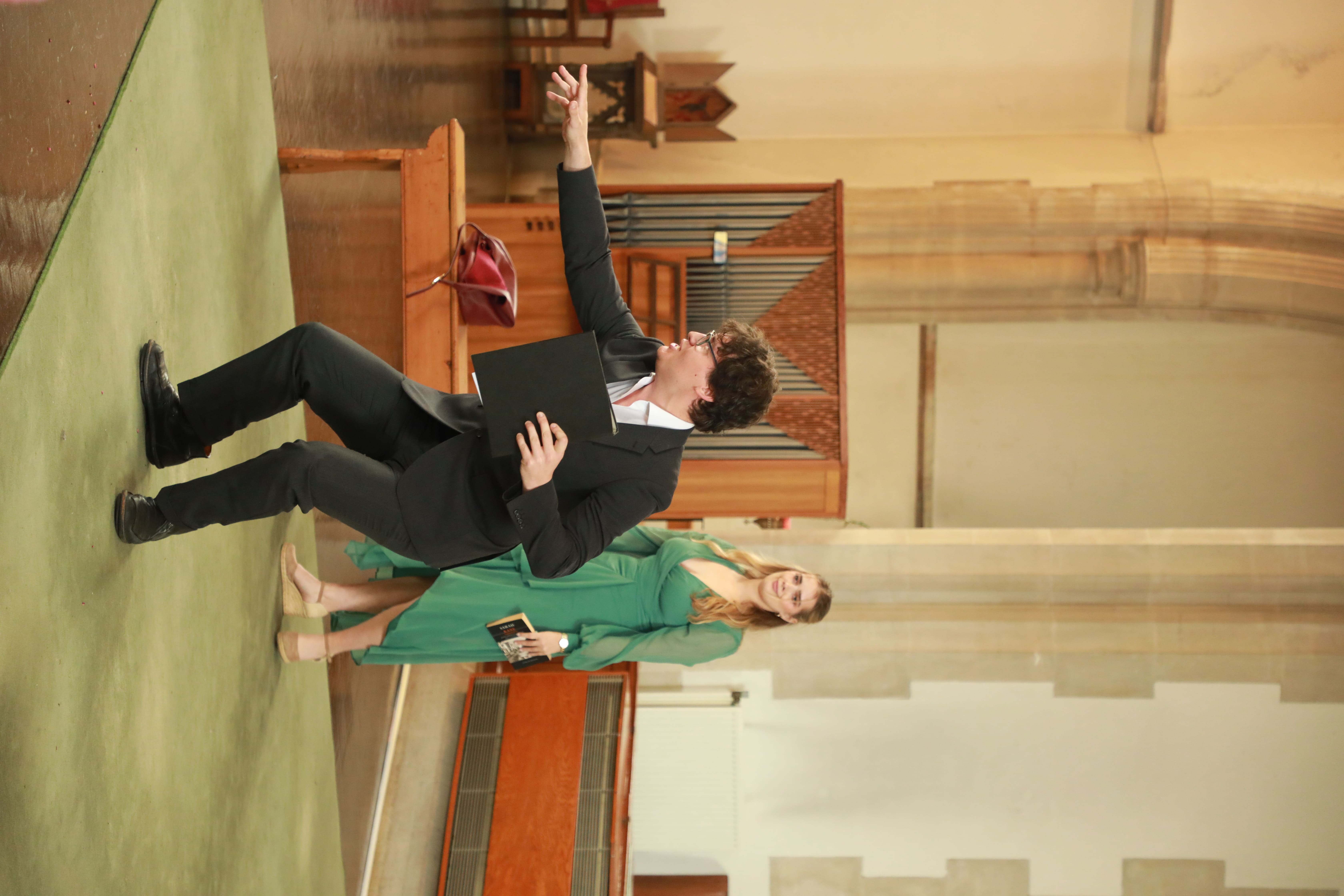
Noble Class (Count, Countess): Use light-colored satin or thin woolen cloth with good drape, reflecting the sense of class through simple lapel design and waist-tight version; for accessories, choose simple metal collar pins, thin waist belts, simulated pearl earrings, etc. No excessive decoration is needed, and the noble identity is highlighted only through subtle differences in materials and styles.
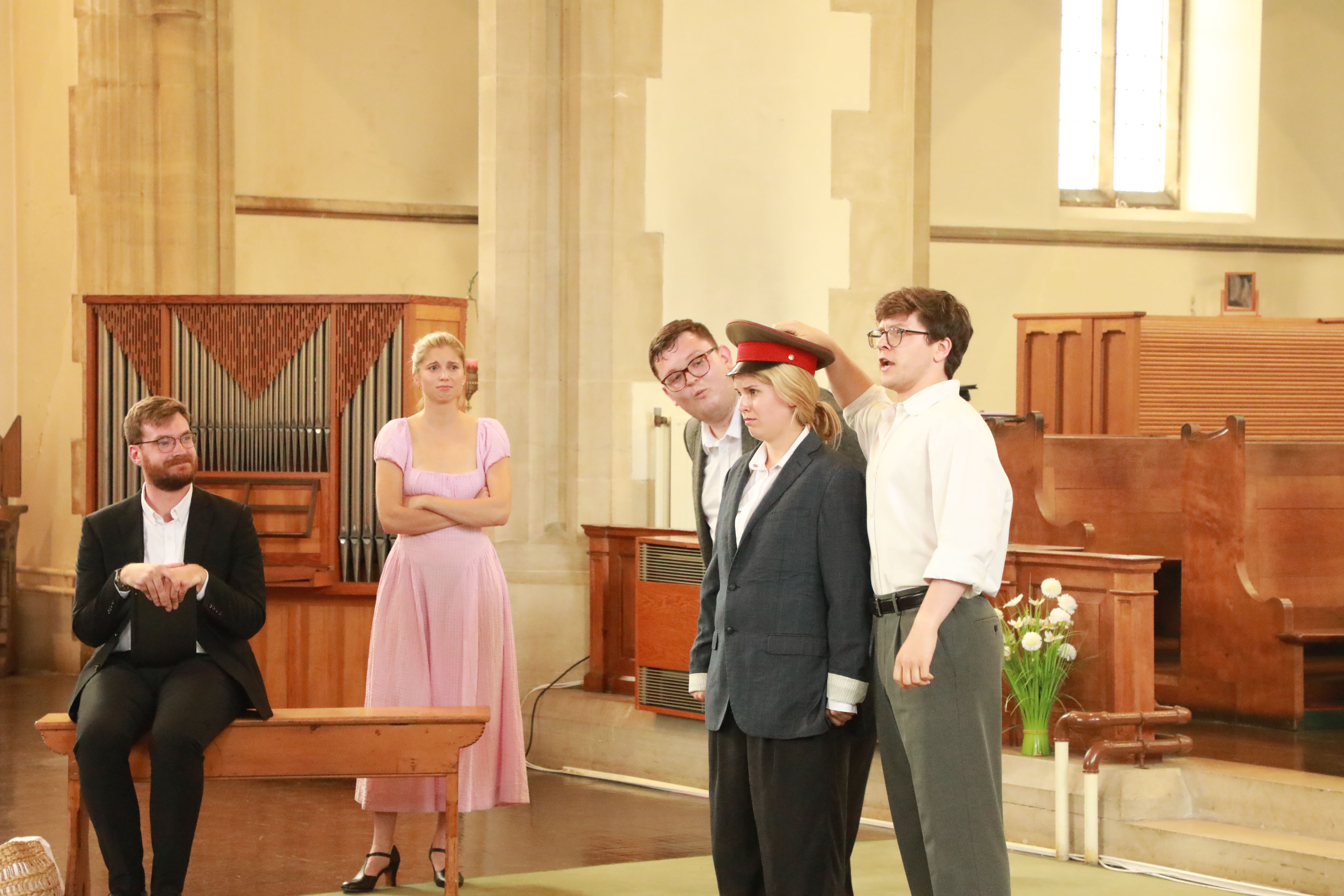
Servant Class (Figaro, Susanna, etc.): Use simple fabrics such as pure cotton and linen, with styles mainly including simple shirts, vests, and long skirts, conveying the characters' competence through the neatness and fitness of the costumes; the symbolic representation of identity mainly relies on iconic accessories, such as Figaro's leather waist belt, Susanna's apron (light color, simple style), hat, etc., which are not only in line with the servant identity but also convenient for the characters' activities.
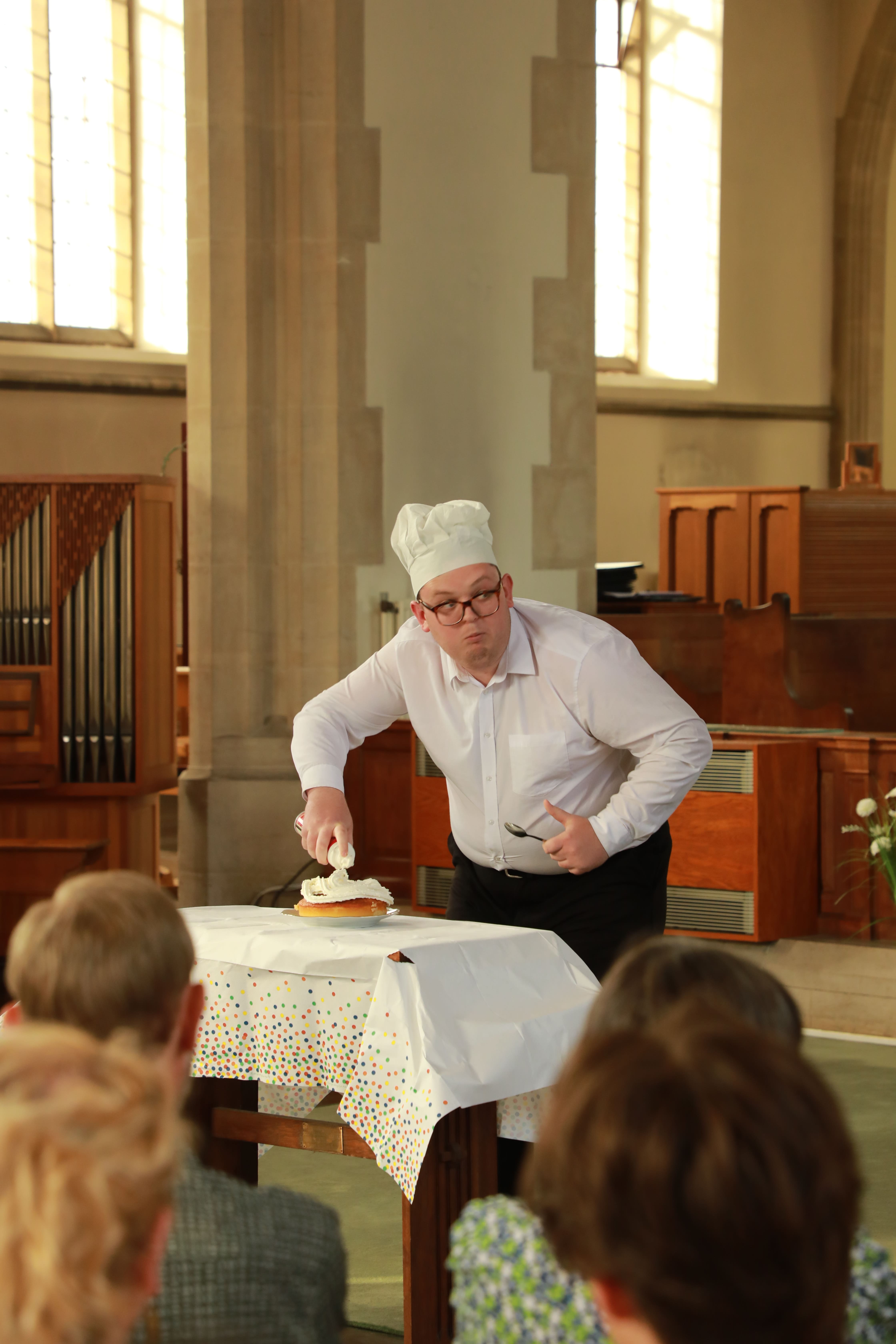
Supporting Roles (Gardener, Notary, etc.): Take basic costumes as the core, distinguish the differences from the main and supporting roles through a single color tone, and match 1-2 simple accessories with professional characteristics, such as the gardener's straw hat and the notary's light gray shawl, to quickly establish the audience's perception of the characters' identities.
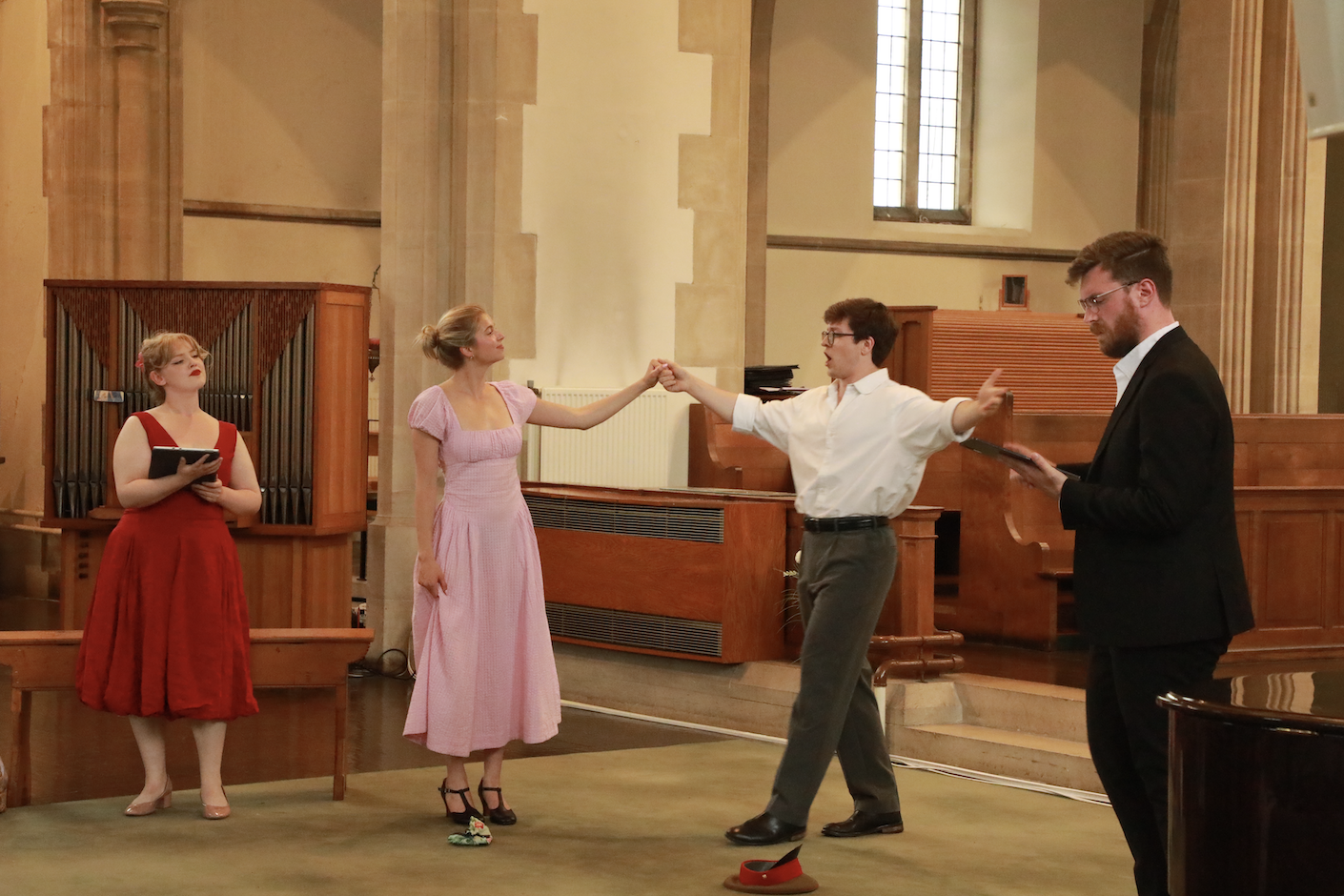
III. Costume Production and Implementation Guarantee
(I) Fabric and Cost Control
In the early stage, conduct market research to select cost-effective basic fabrics, establish a fabric procurement list, and strictly control the fabric cost of each set of costumes; at the same time, optimize the cutting plan to improve fabric utilization and reduce waste generation. For reusable basic versions, conduct unified design and production, and adapt to different characters by replacing fabrics and adjusting detailed accessories, further reducing production costs.
(II) Fitting and Scene Adaptation Adjustment
After the completion of costume production, organize actors to try on the costumes, adjust the color depth and detail matching of the costumes in combination with the actual light conditions of the church, ensuring that the costume colors remain fresh and soft under the natural light and lighting of the church, and the symbolic representation of the characters' identities is clear. At the same time, optimize the activity freedom of the costumes according to the actors' performance actions, avoiding situations where the version affects the performance.
Slide it as much as you want